
Last verified: March 2026
Legal Private Use — No Commercial Market
| Legal Status | Legal for private use (Constitutional Court 2018 + Cannabis for Private Purposes Act 2024) |
| Home Possession | 600 grams (dried) per person |
| Public Possession | 100 grams (dried) per person |
| Home Cultivation | 4 flowering plants per person |
| Commercial Sale | ALL commercial sale illegal |
| Dispensaries | NONE — No legal retail of any kind |
| Emerging Tourism | Cannabis retreats in Western Cape |
The Legal Framework
South Africa's cannabis legalization came in two stages:
Constitutional Court Ruling (2018)
In September 2018, the Constitutional Court of South Africa ruled unanimously in Minister of Justice and Constitutional Development v Prince that the prohibition of private cannabis use and cultivation violated the constitutional right to privacy. The court:
- Declared that adults may use, possess, and cultivate cannabis in private.
- Gave Parliament 24 months to amend the law (later extended).
- Did not define specific quantities.
Cannabis for Private Purposes Act (2024)
In 2024, South Africa passed the Cannabis for Private Purposes Act, which formalized the framework:
- 600 grams of dried cannabis at home per person.
- 100 grams in public per person.
- 4 flowering plants per person, 8 per household.
- 1,200 grams fresh (undried) cannabis at home.
These are among the most generous personal-use limits in the world. For comparison, Canada allows 30g in public and 4 plants total per household.
The Supply Gap
Despite generous possession limits, South Africa has no legal commercial market:
- There are no dispensaries, shops, or any legal retail.
- All selling, buying, and commercial distribution remain criminal offenses.
- The only legal way to have cannabis is to grow it yourself or receive it as a gift (not for money).
This creates the same paradox seen in the Czech Republic and Germany: high personal limits with no legal supply chain.
Cannabis Tourism: Emerging in Western Cape
Despite the lack of retail, a cannabis tourism sector is emerging, primarily in the Western Cape:
- Cannabis retreats and farms: Private properties in the Swartland, Stellenbosch wine region, and along the Garden Route offer cannabis experiences. These operate in a legal gray zone — charging for "accommodation" or "experiences" rather than cannabis itself.
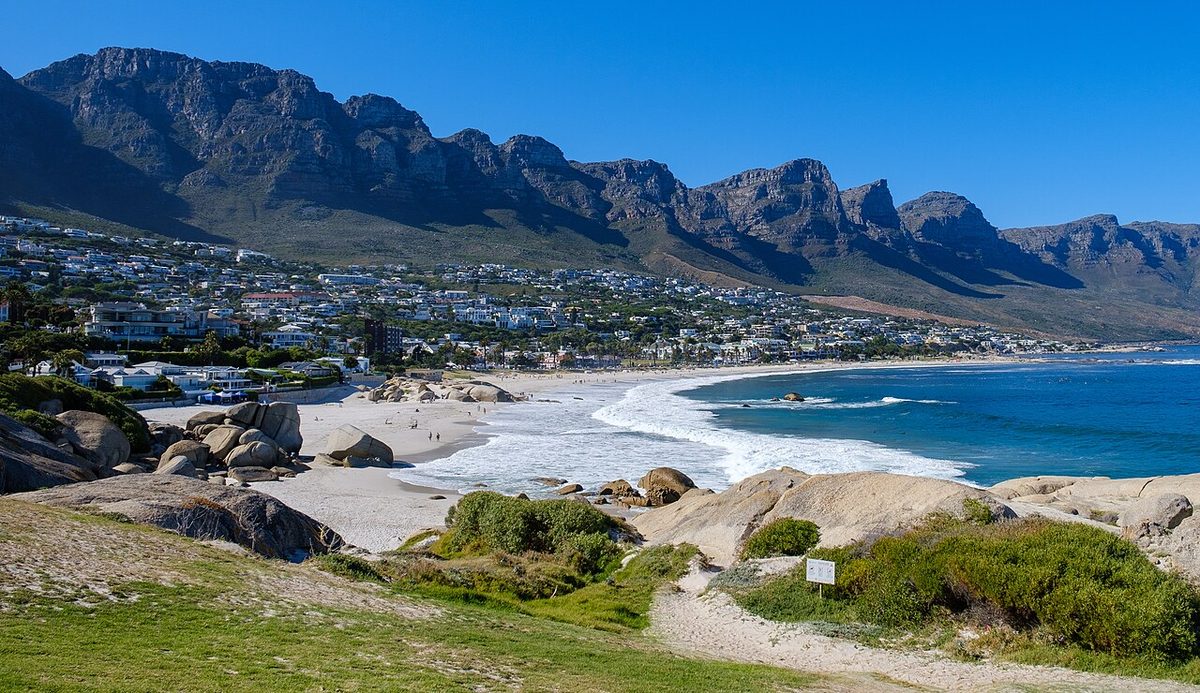
- Cape Town: The most cannabis-friendly city in South Africa. Cannabis culture is visible in neighborhoods like Observatory, Woodstock, and the CBD. Private cannabis events and markets occur regularly.
- Cannabis cups and events: South Africa hosts cannabis competitions and expo events, particularly in the Western Cape.
- Traditional use: Cannabis (known as dagga in South Africa) has deep cultural roots, particularly in Transkei and KwaZulu-Natal regions.
Risks for Tourists
- No legal purchase: Tourists cannot walk into a shop and buy cannabis. You must rely on private sources, retreats, or social connections.
- Public consumption varies: While possession of 100g in public is legal, consumption in public spaces is less clearly defined. Cape Town is generally tolerant; other areas less so.
- Crime concerns: South Africa has high crime rates in certain areas. Cannabis-related interactions with strangers carry general safety risks beyond the legal question.
- Border crossings: Neighboring countries (Mozambique, Eswatini, Lesotho, Botswana, Namibia, Zimbabwe) all have different cannabis laws, most significantly stricter.
Practical Tips
- Cape Town and the Western Cape offer the most developed cannabis tourism infrastructure.
- Cannabis retreats in wine country are the most accessible option for tourists.
- Be cautious about public consumption outside of explicitly tolerant areas.
- South Africa is a transit point for many African flights. Ensure you have no cannabis products before flying internationally.
Official Sources
For in-depth cannabis education, dosing guides, safety information, and research summaries, visit our partner site TryCannabis.org
Related on this site: Cannabis in Argentina, Cannabis in Australia — ACT Legal, Cannabis in Brazil.